Diagnostic Logic
A symptom is evidence, not a guilty verdict. Good diagnosis records when the problem happens, checks basics, reads the exact service information, tests a plausible cause, and verifies the result before a part earns the blame. These guides keep DIY work to safe observations and documented tests. Brakes, steering, restraints, high voltage, fuel leaks, unstable lifting, overheating, and traffic hazards get a tow or qualified technician—not an increasingly worried search history.
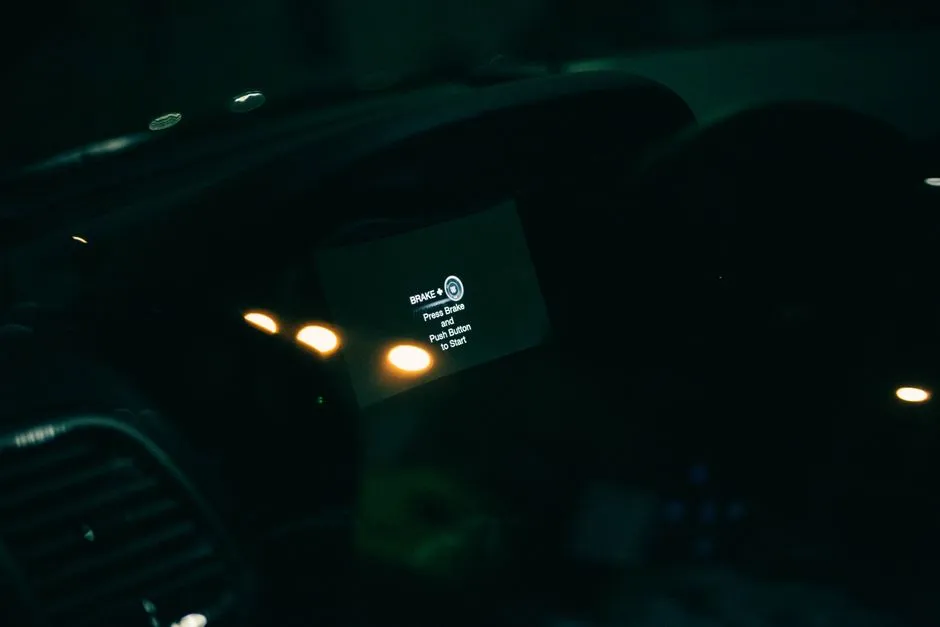
Battery vs Alternator vs Starter Symptoms
Battery, alternator or charging-system, and starter symptoms overlap, so test the complete system before replacing a part.
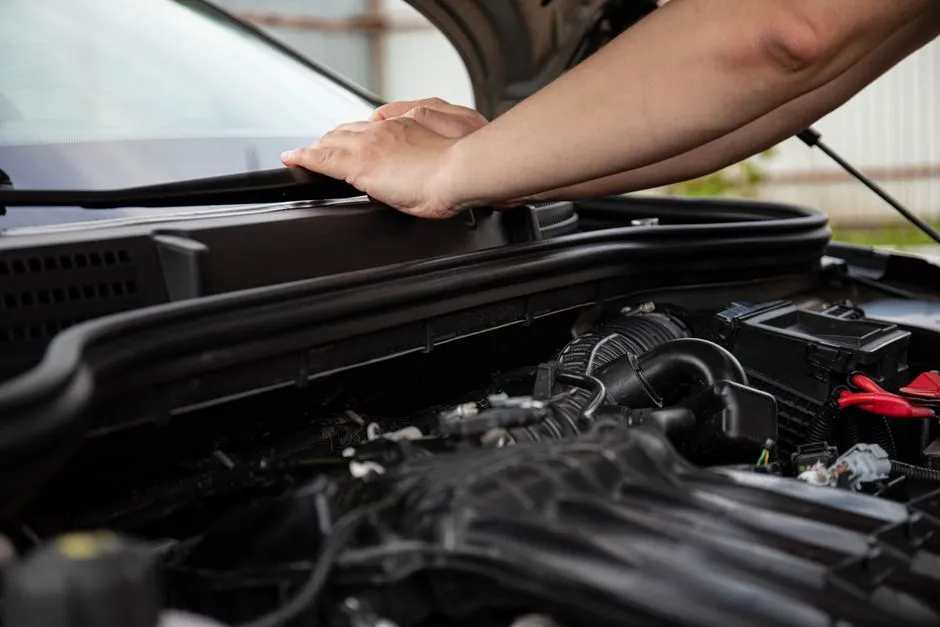
Brake Noise: A Diagnostic Guide
Treat brake noise as a safety complaint: stop and tow for reduced braking, abnormal pedal, pulling, smoke, hot wheel, leaks, warnings, severe vibration,…
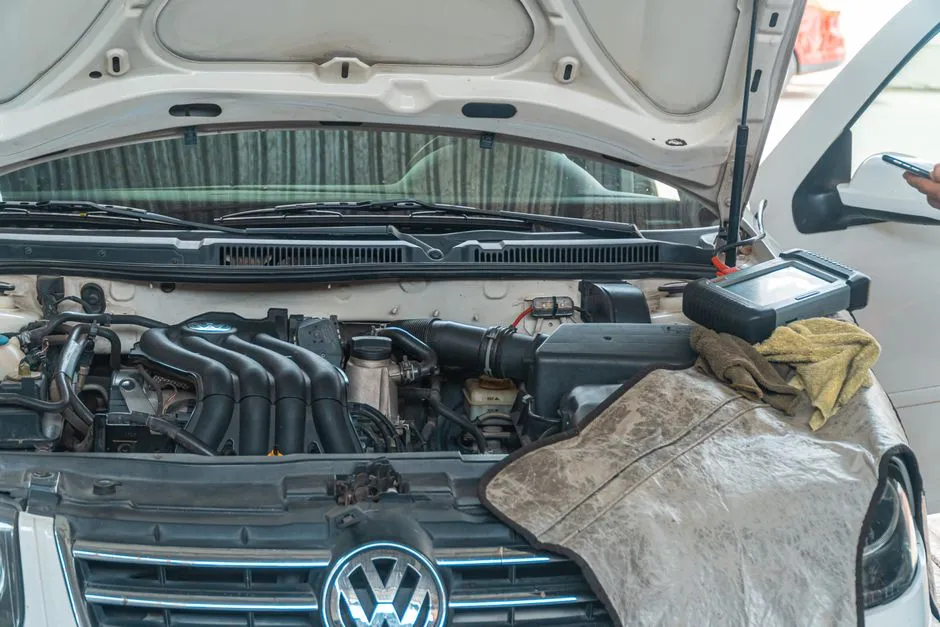
Check Engine Light: What to Do First
When a check-engine light appears, identify the exact symbol in the vehicle manual and record whether it is steady or flashing plus every symptom and…
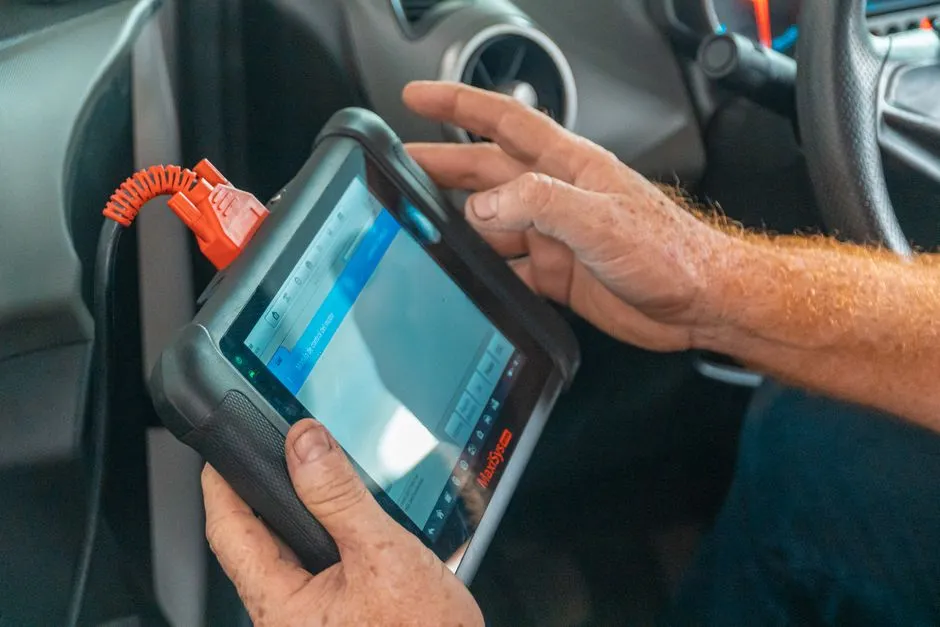
Car Won't Start: A Safe Diagnostic Order
Diagnose a no-start by first separating no-crank, crank-no-start, and start-then-stall.
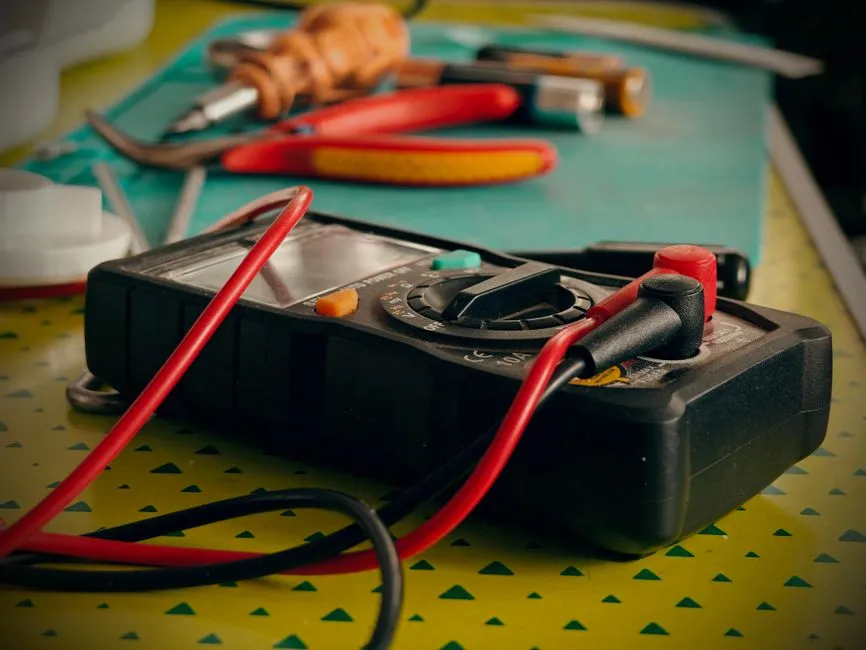
Car Fluid Leak: Diagnose by Location and Context
Treat a vehicle fluid leak as unknown. Keep people and animals away; record parking position, time, weather, air-conditioning use, service, warnings,…

Voltage-Drop Testing Without Chasing Ghosts
Automotive voltage-drop testing measures voltage consumed across a circuit section while current flows, revealing resistance an unloaded continuity check…
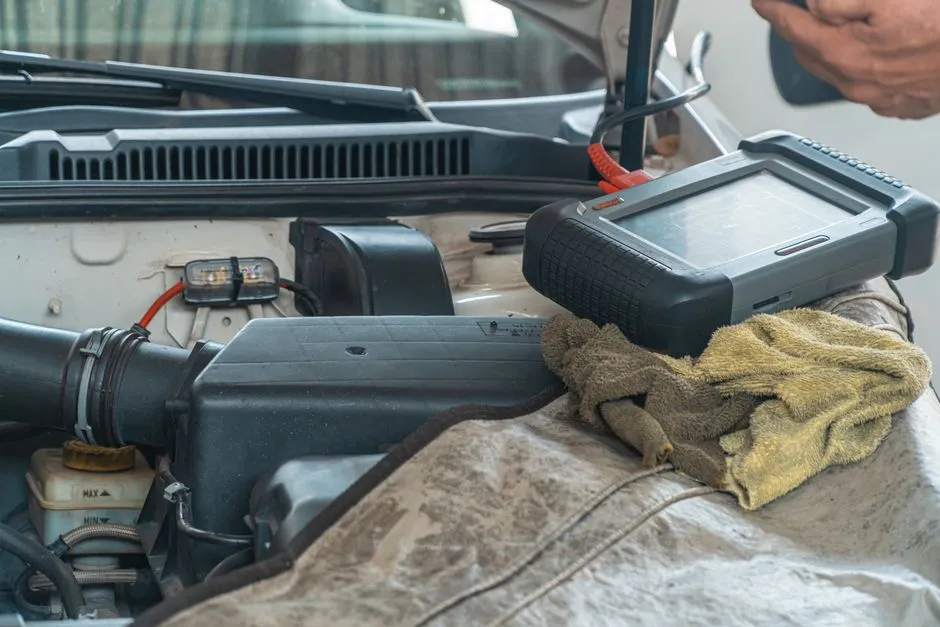
Engine Misfire: Diagnose Before Replacing Parts
Diagnose an engine misfire by recording when it occurs, saving code statuses, freeze-frame data, counters, temperatures, fuel-control information, and…
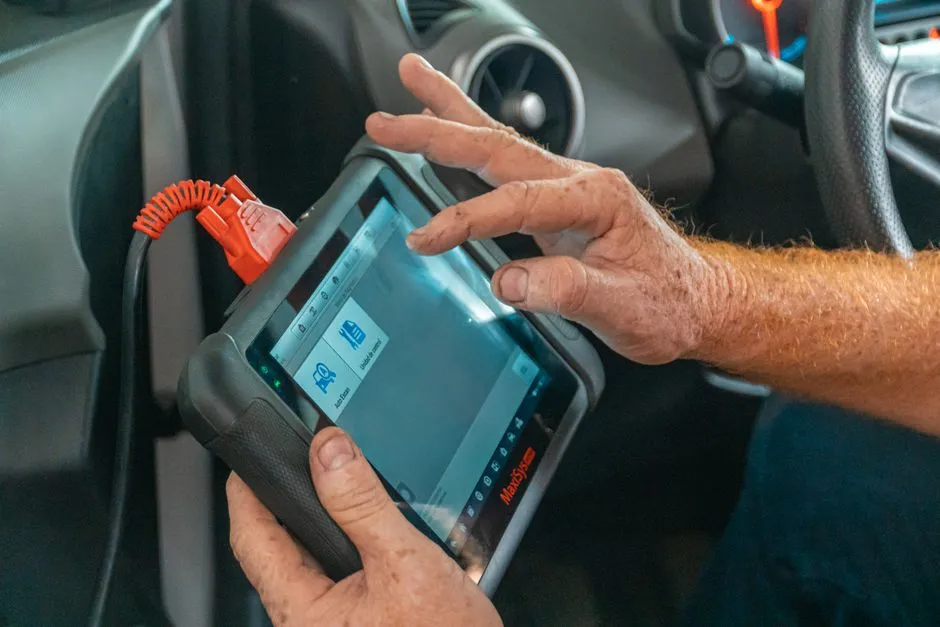
OBD Freeze-Frame Data Explained
OBD freeze-frame data is a saved selection of operating values from around the time an emissions-related fault met its storage logic.

OBD Readiness Monitors Explained
OBD readiness monitors show whether applicable emissions self-tests have completed since a reset or relevant event.
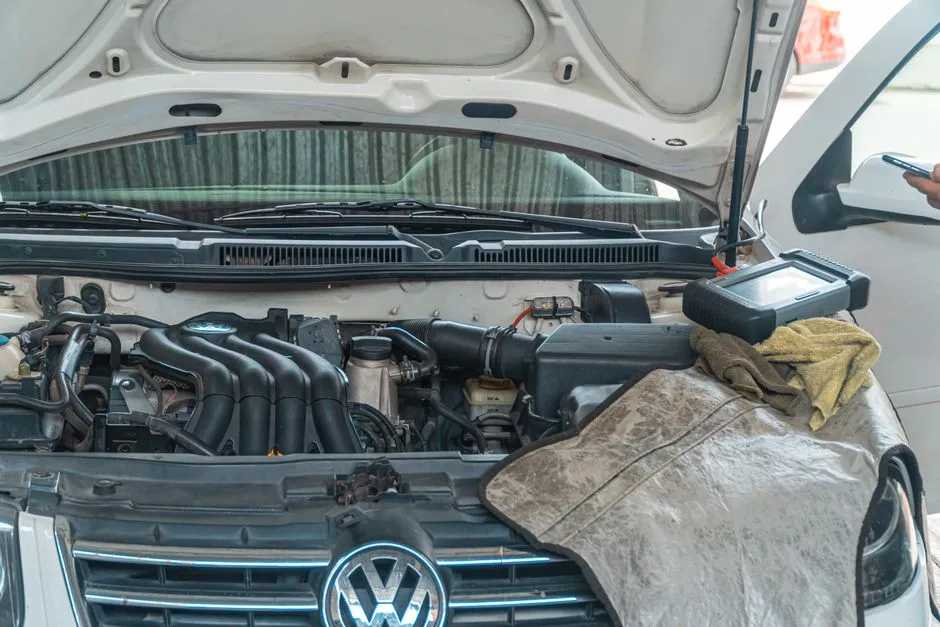
Car Overheating: Stop Conditions and Next Steps
When a car overheats, pull over safely and follow the vehicle manual; stop immediately for steam, coolant discharge, power loss, oil-pressure warning,…
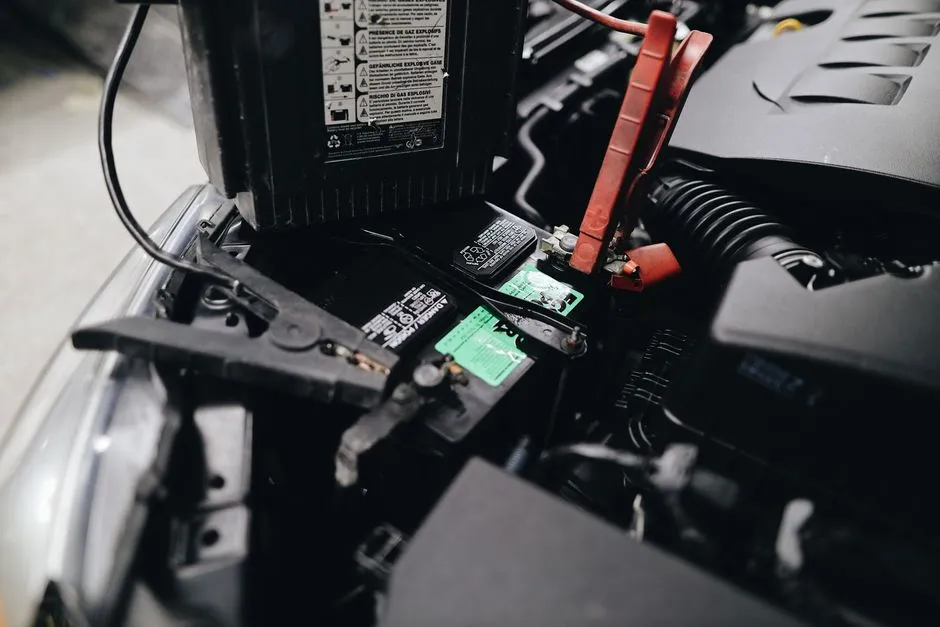
Parasitic Battery Drain Diagnosis Basics
Diagnose parasitic battery drain only after charging and testing the correct battery, verifying connections and charging performance, and proving excess…
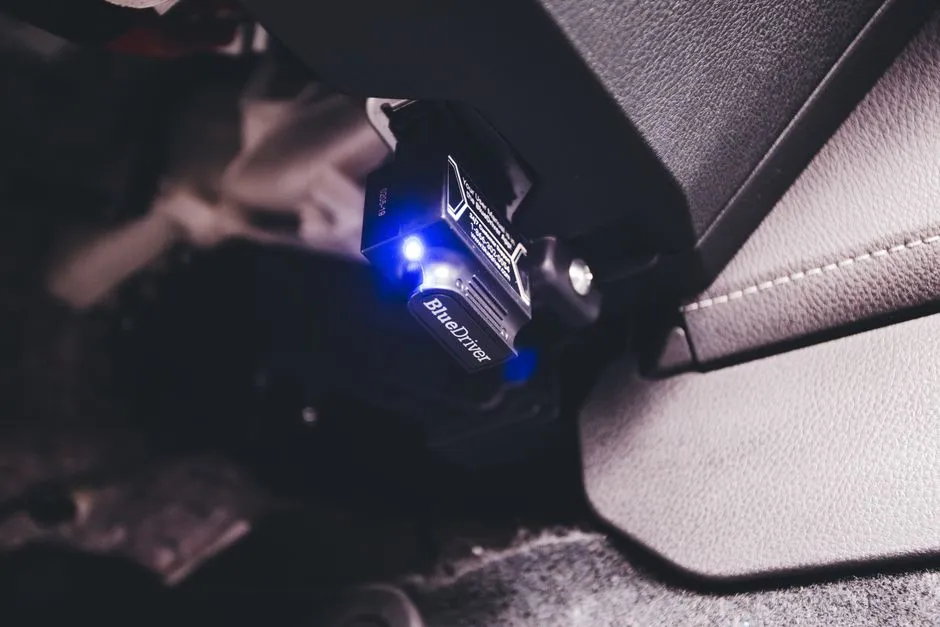
Pending vs Stored vs Permanent Trouble Codes
A pending code generally records an initial detected condition that has not yet met the criteria to mature.
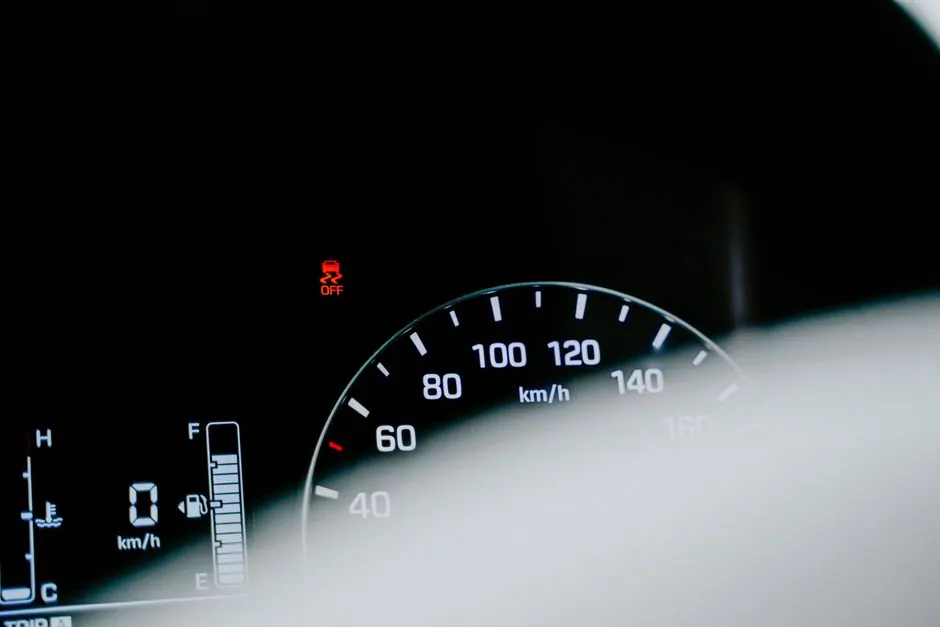
How to Read an OBD2 Code Without Guessing
Read an OBD2 code as evidence of a detected system or circuit condition, not proof that the component named in its description has failed.
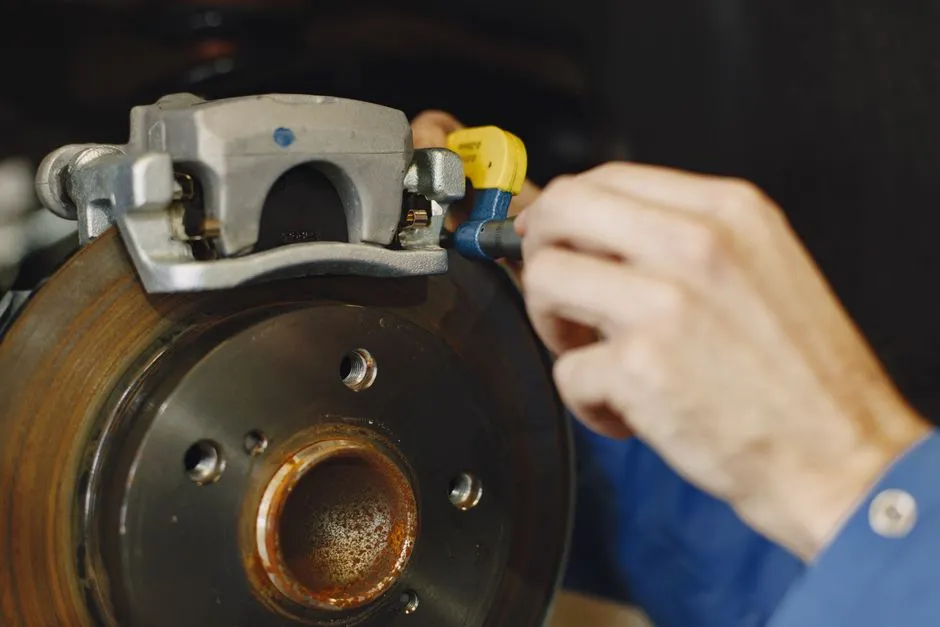
Steering-Wheel Vibration: Sort the Clues
Sort steering-wheel vibration by when it occurs: road speed, braking, acceleration, turning, bumps, or engine speed while stationary.
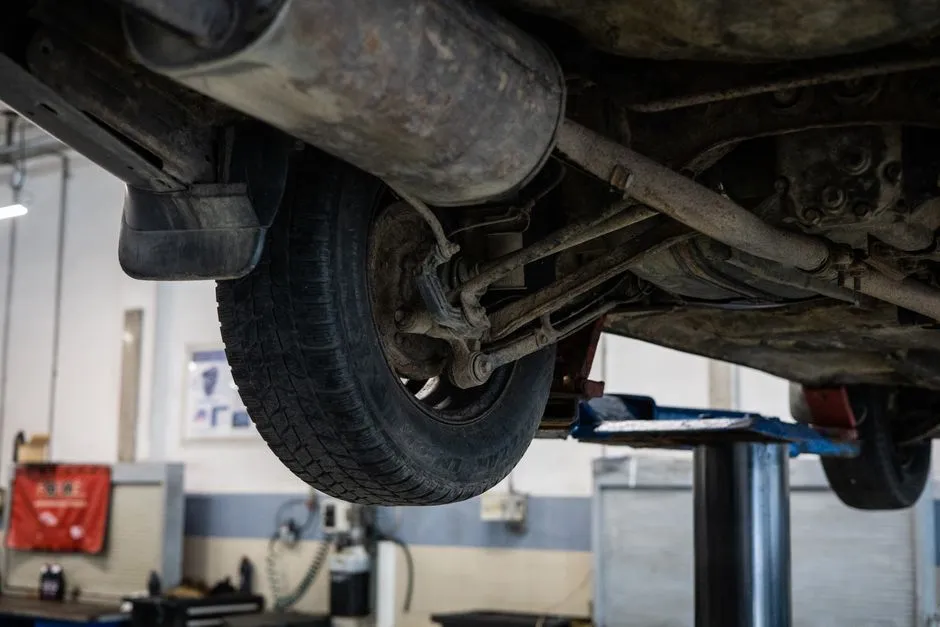
Wheel-Bearing Noise vs Tire Noise
Distinguish wheel-bearing noise from tire noise by recording how the hum, roar, or growl changes with speed, road surface, temperature, braking, gentle…