Engine Misfire: Diagnose Before Replacing Parts
A misfire is a failed combustion event, not a parts list
Rough running, shaking, power loss, popping, fuel odor, and cylinder-related codes can accompany a misfire, but similar symptoms may come from mounts, transmission behavior, or other faults. Record when it occurs: cold start, warm idle, acceleration, cruise, rain, fuel change, or after recent repair.
If the check-engine light flashes, the engine shakes severely, power falls, fuel odor or smoke appears, or safe control changes, stop in a safe place and follow the vehicle manual. Continued operation can worsen damage.
Save the complete diagnostic picture
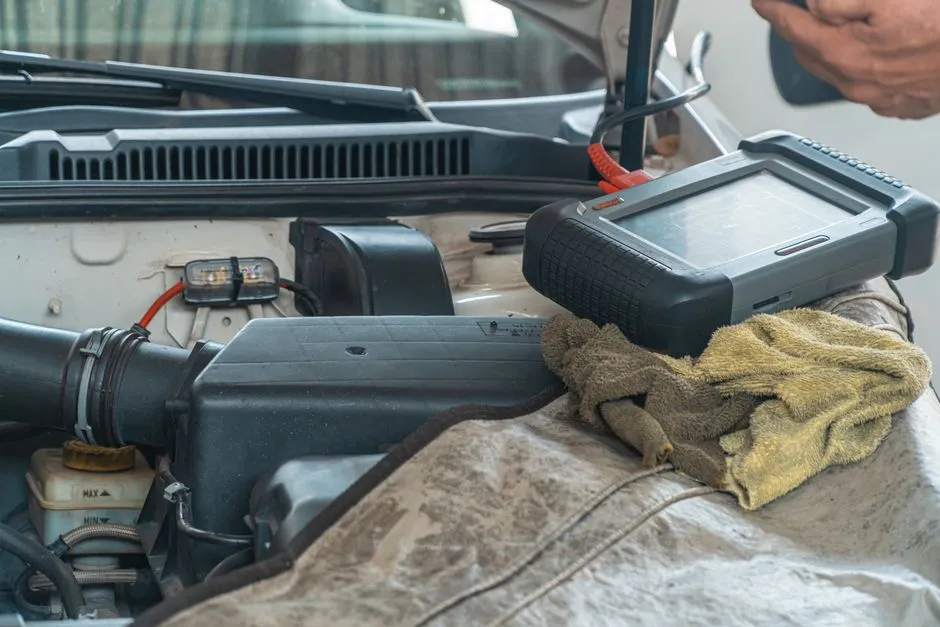
Scan every relevant module before clearing. Record pending, stored, and permanent codes, warning status, freeze-frame data, misfire counters where supported, temperatures, fuel-control data, and recent maintenance. A cylinder code identifies where the monitor detected uneven contribution; it does not prove the ignition coil is guilty.
Check technical information for the exact engine and code. Different systems infer misfire through crankshaft speed, combustion pressure, ion sensing, or other strategies, and scan data can lag or be filtered.
Establish base mechanical health
Follow service procedures to assess oil and coolant condition, abnormal noise, timing correlation, compression, leakage, valve operation, and intake or exhaust restriction where indicated. Mechanical damage cannot be cured by moving ignition parts between cylinders.
Stop for low oil pressure, overheating, metal noise, coolant ingestion evidence, abnormal cranking, or timing concerns. These conditions belong with a qualified technician and often a tow.
Test ignition safely
Inspect plugs, coils, boots, wiring, connectors, power, grounds, command, and signs of heat, oil, water, or tracking. Use specified test equipment and procedures. Ignition systems can generate dangerous voltage; do not hold a removed component, create an open spark near fuel vapor, or substitute random resistance values.
Swapping known-good components can sometimes help isolate a fault when service information permits it, but document each change, protect connectors, preserve plug locations for reading, and stop if the swap could damage a catalyst or engine.
Test fuel and air as systems
Fuel delivery, injector electrical control, incorrect or contaminated fuel, an intake leak, air-metering error, exhaust-gas issue, or pressure fault may lean, richen, or starve combustion. Fuel systems can retain pressure and present fire, injection, and toxicity hazards. Use approved depressurization, ventilation, and test equipment—or professional service.
Compare related cylinders and banks under documented conditions. Do not condemn an injector because a code followed the cylinder it serves; wiring, compression, and control remain in the room.
Consider shared causes first
Multiple-cylinder or random misfire codes may share a power feed, ground, air leak, fuel supply, timing condition, sensor input, network event, or calibration issue. Read every code as a clue and diagnose common paths before buying several identical parts.
Repair and verify under the original conditions
Correct the proven cause, follow torque, gap, adaptation, and clearing procedures exactly, then reproduce the original temperature and load safely. Confirm smooth operation, normal related data, no code return, and proper readiness behavior.
Use the DIY-versus-shop safety line when testing requires road loading, pressurized fuel, hot exhaust, moving equipment, high voltage, or internal engine work. The parts cannon is loud, expensive, and famously poor at aiming.