OBD Freeze-Frame Data Explained
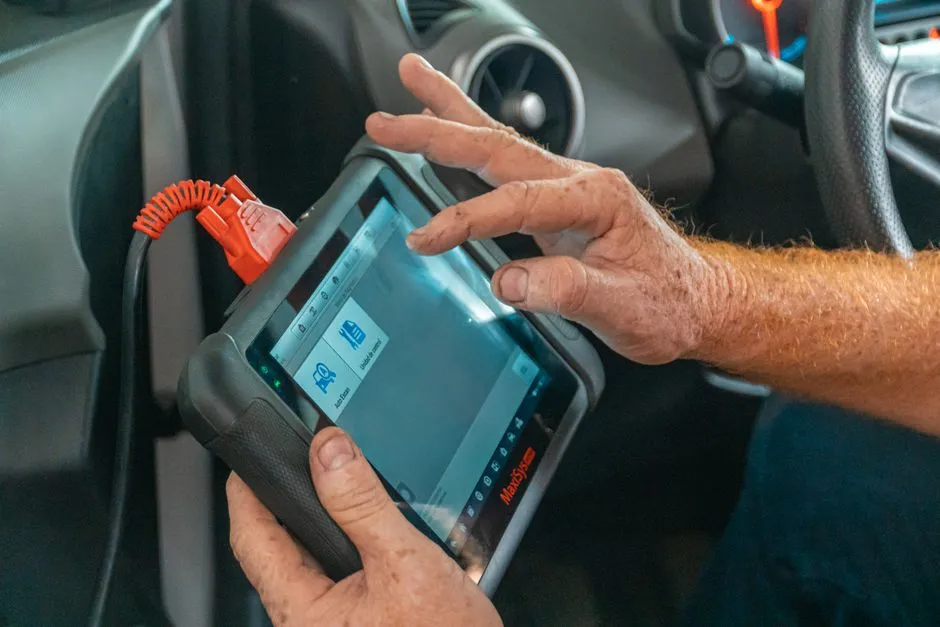
Freeze-frame data is a saved moment
When an emissions-related fault meets specified storage logic, the powertrain controller may save a selection of operating values from around that event. Common fields can include engine speed, calculated load, coolant temperature, vehicle speed, fuel-control state, pressure, airflow, or trim information, depending on the vehicle and scan tool.
It is a diagnostic snapshot, not a movie. One frame cannot show what changed before or after the trigger.
Save it before changing anything
Record the complete scan, including code status, warning status, mileage, readiness, all freeze-frame fields, units, and which code the tool associates with the record. Save screenshots or a report. Do this before clearing codes, disconnecting power, commanding components, or performing repairs.
Some vehicles store limited frames, select one code's frame over another, or make richer manufacturer-specific records available through enhanced tooling. Tool labels and supported parameters vary. An empty field may mean unsupported data rather than a zero-value sensor.
Connect the snapshot to the complaint
Compare the frame with the driver's account. Was the engine cold or warm? At idle, cruise, or load? Was vehicle speed plausible? Did the fault arrive after refueling, rain, maintenance, a long hill, or a cold soak? A mismatch can reveal an intermittent event, a translation issue, or an inaccurate recollection worth clarifying.
Code status helps establish whether the fault was early, matured, or awaiting self-verification after repair.
Read relationships, not isolated numbers
One value rarely settles a diagnosis. Coolant temperature should make sense beside intake temperature after a long cold soak. Engine speed and vehicle speed should fit the reported driving state. Load, airflow, throttle, manifold pressure, oxygen-related data, and fuel adjustment should tell a coherent story for that engine under that condition.
Use exact vehicle specifications and definitions. A generic parameter name may be calculated differently, expressed in different units, limited by the tool, or irrelevant to that powertrain. Do not copy universal “good” numbers from another engine.
Recreate conditions only when safe
Freeze-frame can guide a controlled test plan: similar temperature, load region, fuel level, or operating phase. It does not authorize speeding, heavy acceleration, distracted scan-tool watching, overheating, or reproducing a dangerous stumble in traffic.
Use a second trained person or data logging where allowed, and move complex road diagnosis to a qualified shop with safe procedures. Never monitor a handheld tool while driving.
Test the system the code actually monitors
Use the no-guess code process. Inspect base mechanical condition, powers, grounds, connectors, air or fluid paths, and relevant inputs or outputs. For a misfire, diagnose in a controlled order rather than moving parts until the code moves.
After repair, compare current data under similar documented conditions and confirm the relevant monitor completes without returning symptoms or codes. Do not force an exact numeric match; ambient conditions and operating state change.
Preserve uncertainty
Freeze-frame is valuable because it narrows a question. It does not replace waveform testing, pressure measurement, smoke testing, mechanical inspection, or application-specific procedures when those are required.
Treat the snapshot like a security-camera still: useful, contextual, and not proof that the nearest sensor committed the crime.