Car Won't Start: A Safe Diagnostic Order
First separate no-crank from crank-no-start
Turn the key or use the start control only as the manual directs and observe safely. A no-crank condition means the engine is not being rotated by the starter. A crank-no-start means it rotates but does not run. A brief start followed by a stall is a third pattern. Record warning lights, security messages, gear position, sound, cranking speed, fuel level, weather, recent service, and whether another key changes anything.
Do not keep trying until the battery, starter, wiring, or catalyst overheats. The manual sets attempt and waiting limits.
Make the location safe
If stopped in traffic, on a crossing, near fire or fuel odor, in extreme weather, or anywhere occupants are exposed, prioritize emergency or roadside help. Use warning devices only where it is safe to place them.
Never work beneath an unsupported vehicle, bridge starter terminals, bypass interlocks, probe airbag or high-voltage circuits, or attempt a push start unless the exact manual explicitly permits it. Modern powertrains are very good at turning folk remedies into warning messages.
For no-crank, observe the electrical clues
Check that the approved key is present, the transmission is in the required position, the brake or clutch input is recognized, and battery terminals appear secure without touching damaged or corroded connections. Note whether lights remain bright, dim heavily, click once, click repeatedly, or go out.
These observations do not prove battery, starter, switch, relay, cable, control-module, security, or engine failure. Use battery, alternator, and starter logic plus exact wiring and service tests.
Jump starting carries explosion, polarity, arc, cable, moving-part, and high-voltage risks. Follow both vehicles' manuals and the approved equipment procedure, or use trained roadside service.
For crank-no-start, stop guessing at fuel and spark
Confirm sufficient correct fuel only through reliable information; a gauge can be wrong, but adding fuel blindly creates other problems. Record cranking speed and sound, warning and security status, exhaust smell, and all scan data. Do not spray flammable products into the intake or remove ignition components beside fuel vapor.
A crank-no-start may involve power supply, immobilizer authorization, timing or compression, fuel delivery, ignition, air metering, sensors, network communication, contaminated fuel, or an engine mechanical fault. Each requires controlled tests and exact specifications.
Scan every relevant module
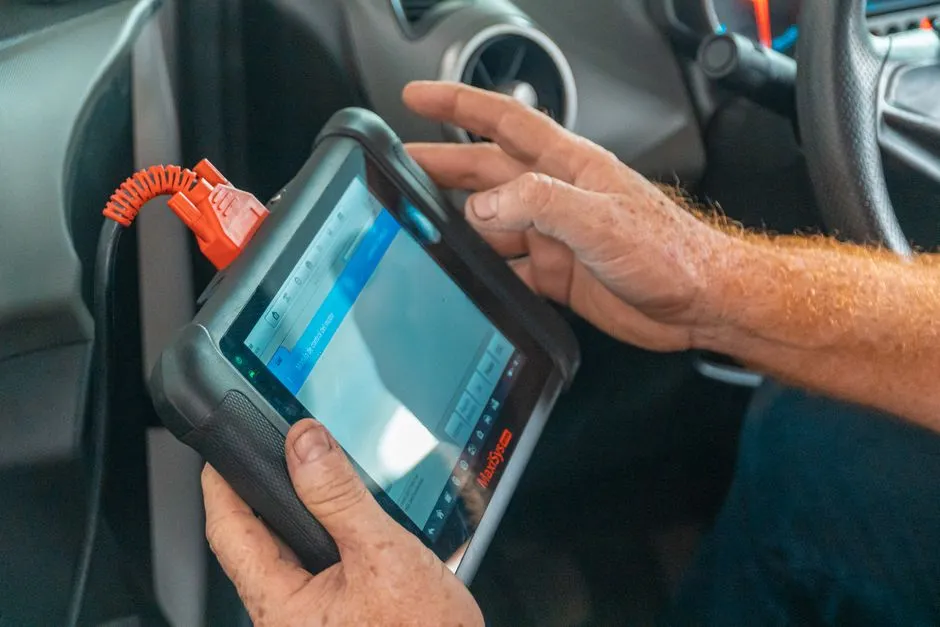
Save engine, transmission, body, security, and network codes with their statuses and data. A powertrain code may not exist when another module prevents start authorization. Do not clear evidence or disconnect power before recording it.
Decide whether DIY observation has ended
Stop for fuel odor or leakage, smoke, heat, damaged cables, rapid clicking, a locked or abnormal-sounding engine, high-voltage warnings, repeated fuse failure, flood exposure, or a vehicle in an unsafe location. Use the DIY-versus-shop boundary and qualified towing.
If a battery repeatedly loses charge, diagnose parasitic drain and charging health rather than celebrating each jump start as a separate miracle.
Verify the actual correction
A vehicle starting once after a jump does not prove which component failed. Test battery condition, connections, cranking and charging behavior through documented procedures; reproduce the original temperature and soak conditions safely; confirm codes, warnings, and starting performance. The goal is repeatable starting, not one triumphant departure from the driveway.