Parasitic Battery Drain Diagnosis Basics
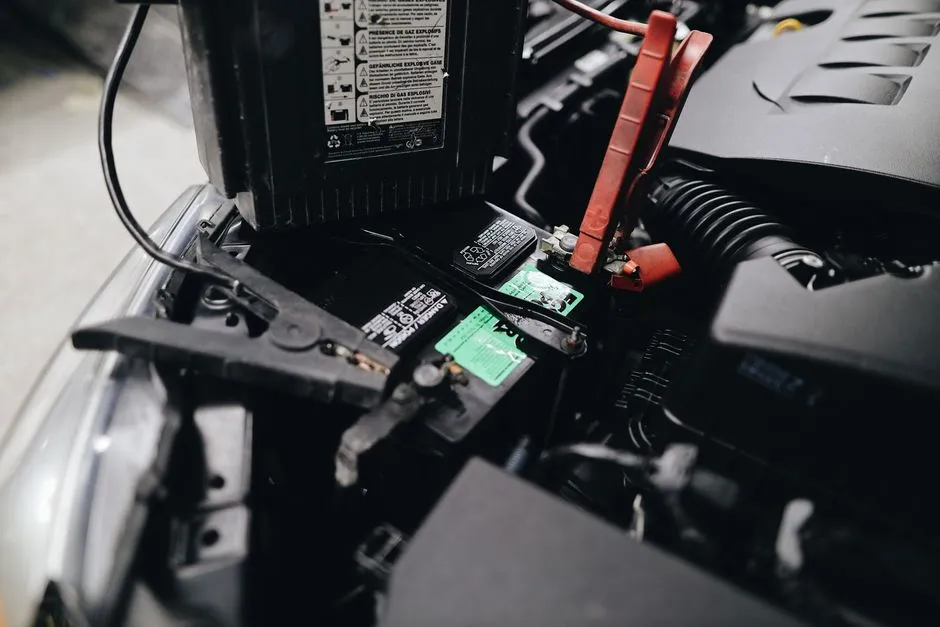
First prove that the battery is losing charge while parked
A battery that is dead in the morning may have an excessive key-off load, but it may also be undercharged, deteriorated, incorrectly specified, exposed to temperature extremes, connected poorly, or not replenished because of a charging fault or short trips.
Fully charge and test it through the approved procedure, then verify the charging system and connections before hunting a drain. Otherwise the diagnosis starts by blaming the night shift for a problem created during the day.
Modern vehicles take time to go to sleep
After shutdown, controllers may run fans, pumps, security, communications, memory, battery management, or emissions functions. Opening a door, moving a key, polling an app, attaching a charger, or connecting a scan tool can wake networks and change current.
The exact sleep time, normal current, access method, and test conditions are vehicle-specific. There is no universal acceptable draw number. Use current service information and account for accessories, trackers, chargers, cameras, audio equipment, trailer devices, and recent programming.
Observe before disturbing the system
Record when the discharge occurs, how long the vehicle sits, temperature, key location, charging habits, warning messages, recent installations, water leaks, interior lamps, doors or latches, and whether a phone app repeatedly contacts the vehicle. Scan all modules for communication, wake-up, battery-sensor, and power-management codes before disconnecting anything.
Check for obvious lights or equipment staying active without reaching into moving or hot areas.
Measuring current can create hazards
Connecting a meter in series may require disconnecting the battery and can expose battery gas, cause an arc, erase memory, reset readiness, wake modules, or damage the meter if a high-current device activates. Clamp instruments and data-logging methods have their own sensitivity and placement limits.
Follow the exact vehicle, battery, meter, and memory-preservation instructions. Never attempt this on a damaged or frozen battery, near fuel vapor, or on high-voltage circuits. Use a qualified technician when the procedure or access is uncertain.
Find the branch without pulling everything blindly
Once an excessive stabilized draw is verified against application data, use wiring diagrams, power-distribution information, fuse voltage-drop methods where documented, scan-tool module status, and controlled circuit isolation. Randomly pulling fuses can wake networks, erase evidence, disable security, or create new faults.
Automotive voltage-drop testing can locate unwanted resistance in operating paths, but key-off drain diagnosis also needs sleep-state logic. A circuit showing current may be performing a commanded task rather than malfunctioning.
Common patterns need proof
Possible causes include a lamp, stuck relay, module that never sleeps, key or proximity behavior, accessory installation, damaged wiring, water intrusion, failed diode, or controller software. Do not replace the device on the first active fuse until the wiring diagram and controlled disconnection prove it owns the draw.
Use battery-versus-charging diagnosis to keep the base system honest.
Verify across the original soak period
After the documented repair, restore every connector and fuse, clear only as directed, confirm module communication, charging, and retained settings, then repeat the sleep and current test. Leave the vehicle through the original failure interval and verify reliable restart.
Repeated jumps can damage confidence and conceal the cause. When electronics, restraints, high voltage, security, or deep battery discharge complicate the work, follow the shop boundary.