Check Engine Light: What to Do First
First, watch how the light behaves
Identify the exact symbol and read the vehicle manual before assuming every amber engine-shaped light means the same thing. Note whether it is steady, flashing, appeared only at startup, or arrived with other warnings. Record the time, speed, engine temperature, fuel level, weather, recent refueling, maintenance, repairs, battery work, noises, smells, smoke, vibration, and changes in power.
A check-engine light is the emissions-related malfunction indicator on many vehicles. It does not identify the failed part. Think of it as the engine computer raising a hand, not handing down a verdict.
Stop for dangerous companion symptoms
Pull over as soon as a safe legal place is available and shut down according to the manual if the light flashes, the engine runs violently, power drops sharply, temperature rises, oil-pressure or charging warnings appear, smoke or fuel odor is present, or control feels unsafe. Use hazard warnings and roadside procedures appropriate to the location.
Do not open a hot pressurized cooling system, touch moving parts, investigate a fuel leak, or stand in traffic. Arrange qualified towing when safe operation is uncertain. A flashing light can indicate a condition capable of causing rapid damage; the exact manual decides the required response.
Check only safe, obvious items
With the vehicle parked and secured, confirm the fuel cap is installed as its instructions require if the symptom followed refueling. Look from outside for a hanging connector, obvious animal damage, a loose intake duct, leaking fluid, smoke, or a forgotten service item. Do not reach into a running engine bay or disconnect the battery to make the light disappear.
Clearing power may erase useful evidence and reset emissions readiness monitors without repairing anything.
Scan before clearing
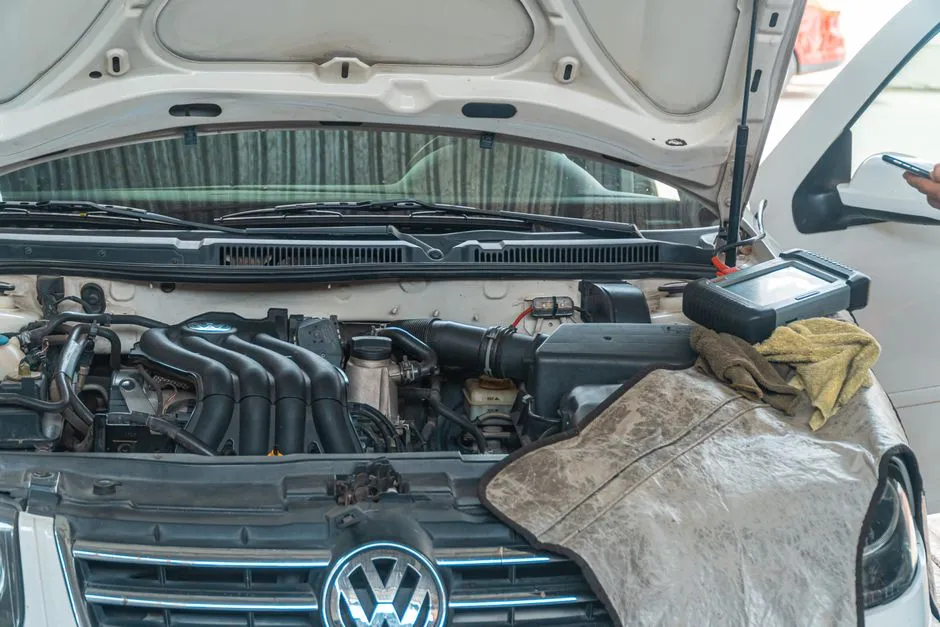
Use a compatible scan tool according to both manuals, or have a shop retrieve the information. Save every stored, pending, and permanent code, freeze-frame record, readiness status, warning status, and relevant live data before anyone clears it.
Reading an OBD2 code means treating the code as a circuit or system clue, not ordering the component named in its description. Freeze-frame data may preserve the operating conditions present when a fault matured.
EPA inspection guidance describes the malfunction indicator, diagnostic trouble code, and stored engine conditions as parts of the OBD evidence. Preserve that evidence.
Decide whether the vehicle should move
The manual, current symptoms, code family, fluid levels checked through approved procedures, and professional advice should guide the decision. A steady light with normal operation may permit careful travel for diagnosis on some vehicles; it is not universal permission. Avoid heavy load, towing, high speed, or extended driving until the cause is understood.
If braking, steering, restraints, high voltage, fuel, temperature, oil pressure, tires, visibility, or safe control may be involved, use the professional-repair safety line.
Diagnose, repair, and verify
Consult exact service information for the vehicle, reproduce the symptom safely, inspect the relevant system, test the suspected cause, perform the documented repair, and confirm that the symptom, codes, and monitor results behave as expected. Replacing the easiest sensor first is not diagnosis; it is shopping with a dashboard accomplice.